
Seamless Apparel Knitting Systems: Key Features to Compare
Seamless Apparel Knitting Systems: Key Features to Compare
For procurement teams evaluating seamless apparel knitting systems, comparing machine capability goes far beyond output speed.
The right system affects garment flexibility, yarn efficiency, defect control, labor dependence, and production agility.
This guide highlights the key features to compare so buyers can assess suppliers more accurately.
It also helps reduce sourcing risk and align equipment investment with quality, cost, and scalable apparel manufacturing goals.
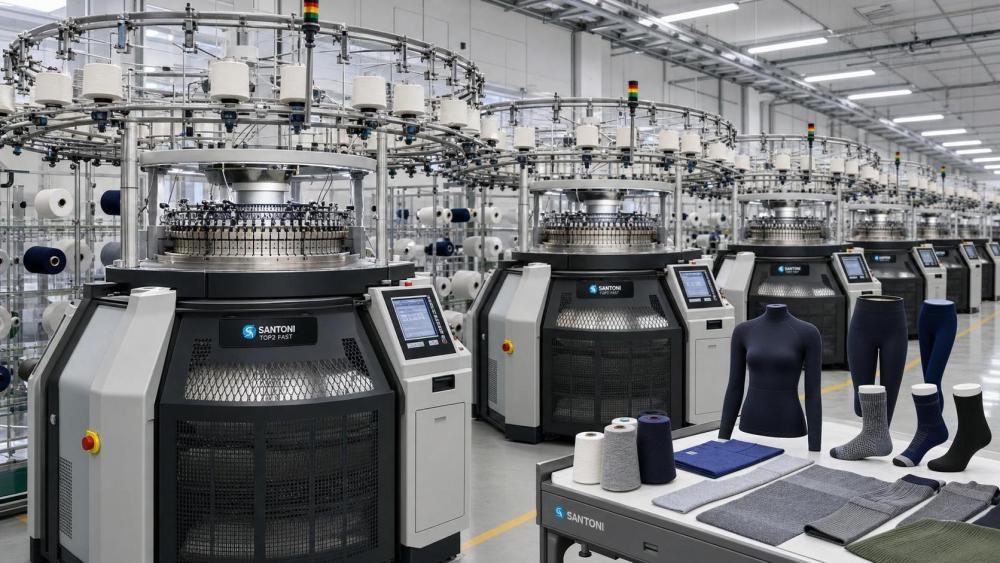
In practice, seamless apparel knitting systems are judged by consistency, not by brochure claims alone.
A machine that looks fast on paper may still underperform if yarn control, programming, or maintenance support are weak.
That is why feature comparison should connect machine design with actual production outcomes.
Start With Product Range and Knitting Capability
The first question is simple.
What products must the seamless apparel knitting systems produce today, and what might be added next year?
Some systems are optimized for underwear, base layers, leggings, socks, or sports compression garments.
Others support broader category switching with better needle selection, structure variation, and pattern flexibility.
This matters because product range directly affects return on investment.
A lower-cost machine may become expensive if it limits future garment development.
- Supported garment categories and cylinder diameters
- Gauge options for light, medium, or compression structures
- Ability to knit mesh, rib, jacquard, tuck, plating, and support zones
- Program changeover speed between different SKUs
- Compatibility with performance yarns and elastic blends
When comparing seamless apparel knitting systems, broad capability often creates more sourcing resilience than peak speed.
Compare Output Stability, Not Just Speed
Machine speed is important, but stable output is more valuable.
A faster machine with frequent stops can produce fewer saleable garments over a full shift.
Recent market changes make this even clearer.
Brands want smaller runs, faster replenishment, and tighter delivery windows.
That means seamless apparel knitting systems must perform reliably across long runs and frequent style changes.
Ask suppliers for production data under real yarn and style conditions.
The better comparison method is output per shift, per operator, and per kilogram of yarn consumed.
Evaluate Yarn Feeding, Tension Control, and Fabric Quality
Many quality problems begin with unstable yarn handling.
On seamless apparel knitting systems, feeding accuracy and tension control influence fabric appearance, stretch behavior, and garment comfort.
This is especially important for sportswear, shapewear, and body-fit categories.
Small inconsistency in elastane control can create shade variation, distortion, or uneven compression.
A useful supplier discussion should cover both hardware and software control logic.
- Number and configuration of yarn feeders
- Electronic yarn tension monitoring and auto-stop response
- Consistency when using nylon, polyester, covered yarn, and spandex blends
- Fabric uniformity across long production cycles
- Defect rates involving missed stitches, barré, holes, or unstable plating
It is wise to request sample garments from the same yarn count and structure planned for production.
This gives a clearer view of whether the seamless apparel knitting systems can maintain quality under expected factory conditions.
Check Software, Programming, and Data Connectivity
Hardware alone no longer defines machine value.
Programming efficiency now shapes how quickly new styles move from design to production.
For many buyers, this is where one supplier clearly separates from another.
Advanced seamless apparel knitting systems should support intuitive pattern development and stable file management.
They should also connect with modern factory monitoring needs.
- Review software usability for pattern editing and parameter control.
- Confirm training time for technicians and programmers.
- Check whether production data can be exported for analysis.
- Ask about remote diagnostics and software updates.
- Verify backup, file security, and multi-machine program transfer.
This also affects dependence on specific operators.
If only one expert can manage the system, scaling production becomes harder and riskier.
Measure Labor Efficiency and Maintenance Reality
A strong machine should reduce dependence on constant manual intervention.
That includes easier threading, clearer alarms, quick cleaning access, and predictable maintenance cycles.
In actual business operations, labor savings often come from fewer interruptions, not from replacing staff entirely.
When comparing seamless apparel knitting systems, ask what daily ownership really looks like.
- How many machines can one operator handle?
- Which parts require regular replacement?
- How long does preventive maintenance take?
- Are spare parts stocked locally or shipped internationally?
- How fast can service engineers respond during breakdowns?
These questions sound basic, but they influence uptime, planning confidence, and hidden operating cost.
The best seamless apparel knitting systems are usually the ones factories can keep running smoothly every day.
Look at Energy Use, Waste Reduction, and Sustainability Fit
Sustainability claims need practical evidence.
Seamless apparel knitting systems can reduce cut-and-sew waste, but savings vary by product type and process discipline.
A credible supplier should quantify likely material savings and energy demand.
This is becoming more important as brands ask for environmental reporting and cleaner sourcing decisions.
Useful comparison points include machine power consumption, compressed air needs, lubricant use, and waste yarn ratios.
More importantly, ask how the machine supports right-first-time production.
Lower defect rates usually deliver more environmental value than generic green messaging.
Compare Total Cost of Ownership, Not Purchase Price Alone
A cheaper quotation can become the more expensive choice over three years.
That is why total cost of ownership should sit at the center of any seamless apparel knitting systems evaluation.
The full picture includes productivity, scrap, downtime, training, spare parts, software fees, and resale value.
It also includes the cost of missed opportunities if the machine cannot support new product programs.
A practical comparison framework can include:
- Acquisition cost and installation requirements
- Expected garments per shift at target quality level
- Waste percentage and rework exposure
- Annual maintenance and parts budget
- Supplier support quality across the export market served
This approach helps filter out attractive pricing that hides long-term operational weakness.
Questions to Ask Before Final Supplier Selection
A final comparison should go beyond technical sheets.
It should test how confidently a supplier supports real production goals.
Before choosing among seamless apparel knitting systems, ask:
- Can the supplier run a trial using the intended yarn and garment structure?
- Can they share references from factories with similar product focus?
- What performance guarantee is offered after installation?
- How are software upgrades, training, and troubleshooting handled?
- What risks typically appear during ramp-up, and how are they resolved?
Clear answers often reveal more than polished presentations.
A capable partner will discuss limitations openly, not only strengths.
That honesty usually signals stronger technical support after purchase.
The most suitable seamless apparel knitting systems are the ones that match product strategy, operator capability, and growth plans.
A disciplined comparison process reduces sourcing mistakes and supports better long-term performance.
Use trial data, ownership cost analysis, and support checks together.
That makes the final decision more practical, more defensible, and far more likely to deliver production value.
Related News
- When does seamless garment technology reduce production waste?Sep 14, 2026Yarn Topology Scientist
- What support should a seamless knitting systems supplier provide after installation?Sep 10, 2026Yarn Topology Scientist
- How closed loop knitting software reduces yarn waste in productionAug 30, 2026Yarn Topology Scientist
- What drives seamless garment technology price in large-volume production?Aug 20, 2026Yarn Topology Scientist